Unknown's avatar

About Robert Johnson

English teacher since 1997. Worked in High Schools in Yorkshire till 2005. From 2012 have worked in FE establishments. From January 2015, worked in Adult workplace training delivering Funky Skills Maths and English.

Great Expectations – Miss Havisham

Here is a new idea for you that in 27 years of teaching, I had never thought of, something that my wife suffers from and something that I now see in the character of Miss Havisham.

I was recently watching the BBC version of this great novel by Charles Dickens, the one that stars the lovely Gillian Anderson as Miss Havisham, she who played Dana Scully in the hit TV show The X-Files, when I was struck by something and it has made me write this now, as a retired teacher, who suddenly had an idea and could not share it with a class full of students. 

Now that is annoying to say the least! 

Gillian plays Miss Havisham as a ghostly image and even says that she is “a ghost of a bride” she formerly was when jilted at the altar by her mysterious lover. 

Now whether or not you think it is Compeyson (BBC show called Dickensian) who jilted her and then went on with his nefarious ways throughout the novel, only to die at the hands of Magwitch in the Thames, or not, is up to you, but it made me wonder. 

Is Miss Havisham, in the novel, suffering from something we now call Social Anxiety Disorder? She definitely, in all versions of the novel and moving images, has what we would now call PTSD, or Post Traumatic Stress Disorder, due to what happened to her, which obviously was traumatic. But what of Social Anxiety Disorder?

So, what is S.A.D? 

Google it and you find this….

“Social anxiety disorder, also known as social phobia, is a mental health condition characterized by an intense fear of social situations where one might be scrutinized or judged by others. Individuals with this disorder experience excessive anxiety and worry before, during, and after social interactions, often leading to avoidance behaviors and significant impairment in daily life.”

It is, very simply put, a form of mental illness brought on by trauma, so the answer is a possible yes, to her having this. 

Go deeper and you get this….

Key Features:

Excessive Fear and Anxiety:
A core feature is the persistent and overwhelming fear of social situations, stemming from the belief that one will be negatively evaluated or rejected. 

Social Situations:
This fear can encompass a wide range of social interactions, from public speaking and meeting new people to eating in public or using a public restroom. 

Anticipatory Anxiety:
Individuals may worry for days or weeks before an anticipated social event. 

Avoidance:
People with social anxiety disorder may avoid situations that trigger their anxiety, which can further isolate them and hinder their ability to function in various aspects of life. 

Impairment:
Social anxiety disorder can significantly impact social relationships, work or school performance, and overall quality of life. 

Physical Symptoms:
Anxiety can manifest physically through symptoms like rapid heart rate, sweating, trembling, and blushing. 

Cognitive Symptoms:
Individuals may experience negative thoughts and beliefs about themselves and their social interactions, such as worrying about being judged or perceived as incompetent.

When you consider all of these things together, you get a character who among other things that you may have studied, is not simply a malicious woman intent on harming the male world with her adopted daughter, Estella, teaching her to become a weapon to hurt the men she meets, including Pip and her husband, Bentley Drummle, but what you see is a character that you can actually warm to, feel for in her times of need and commiserate with due to the pain she is in. 

Consider where else she is mentioned and then think about this. In the Carole Ann Duffy poem, this is Havisham for a modern audience… a darker character, hence the picture below.

Havisham

Carol Ann  Duffy

Beloved sweetheart bastard. Not a day since then
I haven’t wished him dead. Prayed for it
so hard I’ve dark green pebbles for eyes,
ropes on the back of my hands I could strangle with.

Spinster. I stink and remember. Whole days
in bed cawing Nooooo at the wall; the dress
yellowing, trembling if I open the wardrobe;
the slewed mirror, full-length, her, myself, who did this

to me? Puce curses that are sounds not words.
Some nights better, the lost body over me,
my fluent tongue in its mouth in its ear
then down till I suddenly bite awake. Love’s

hate behind a white veil; a red balloon bursting
in my face. Bang. I stabbed at a wedding cake.
Give me a male corpse for a long slow honeymoon.
Don’t think it’s only the heart that b-b-b-breaks.

The heartbreak is shared throughout this poem, as well as in the TV series called Dickensian, as the younger Havisham is shown before and right up to the event that causes her to become the person in Great Expectations. 

But why does Gilliam Anderson play her as a ghost of a woman? Well maybe Dickens intended her that way when he created the character. So now, you have a task to enter into. With this in mind, find 5 quotes from the classic text to show that this indeed, could be true. 

Do that and then share it with your teachers….

See what they think. 

Blessings for September when it comes. 

Mr. Johnson
English Teacher (Retired)
July 2025

Writing Troubles And How To Overcome Them

Take a look at the following picture please.

Do you have hand writing issues and cannot change your style to make it neater, or easier to understand? Read on.

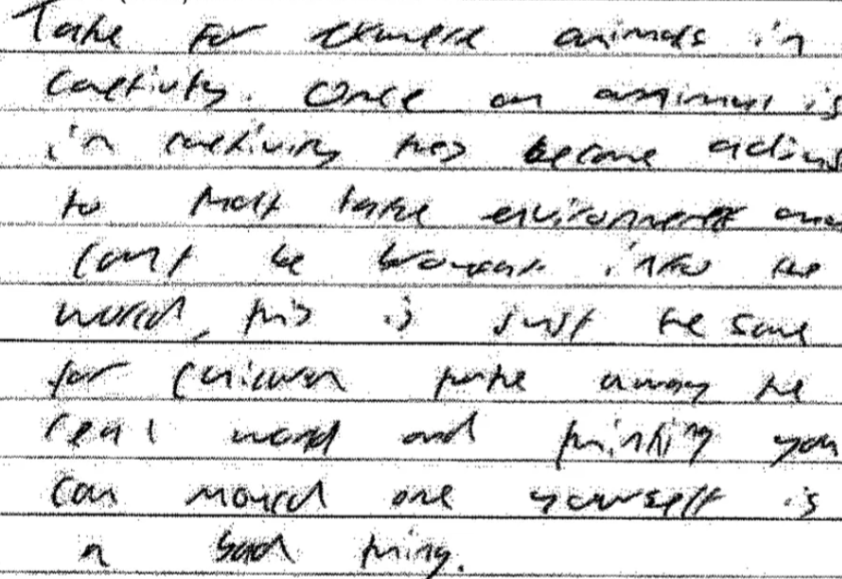
In the years I’ve offered home tuition, one of the things I have noticed is how bad the tutee’s hand writing is.

Mostly it has been indecipherable due to years of doing their own thing when it comes to writing. You know the adage, learn how to do it properly and then you’re free to screw it up.

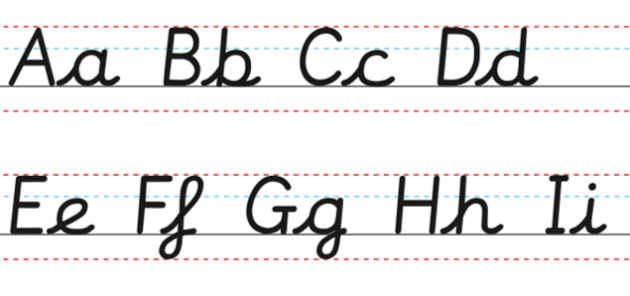
I have asked them often how they learnt to write and they can’t remember so I’ve reminded them that we used lines with two solid lines and a dotted line between them. The capital letters are required to hit the top and bottom lines and the lower case hit the dotted and bottom line.

You’re remembering now eh?

So you can imagine their horror when I remind them that if the marker cannot decipher what has been written, they are required to mark it downwards. It might make them lose points dependent on how poorly written their exam paper is.

It has amazed me over these years in education that so many rules are regularly broken. Here are some classic mistakes in written exams. Some of them are too ridiculous:

1. “aMeRiCan fIlMs aRe GoOd.”

One student always in every word added capital letters in the middle of words.

2. “My name is peter williams.”

Incorrect use of capital letters. It is more common at sixteen than you’d care to know. I’d say 50% of students don’t do this right.

3. Making each letter hit the top line and the bottom, regardless of whether meant as lower case or capital letter. Usually, this is coupled with the earlier mistakes.

4. “I DON’T KNOW WHAT TO WRITE.”

The use of nothing but capital letters throughout their piece of writing. As a marker, this would seriously get on my nerves.

5. “each word written all at the lower case.”

Unbelievable, but true!

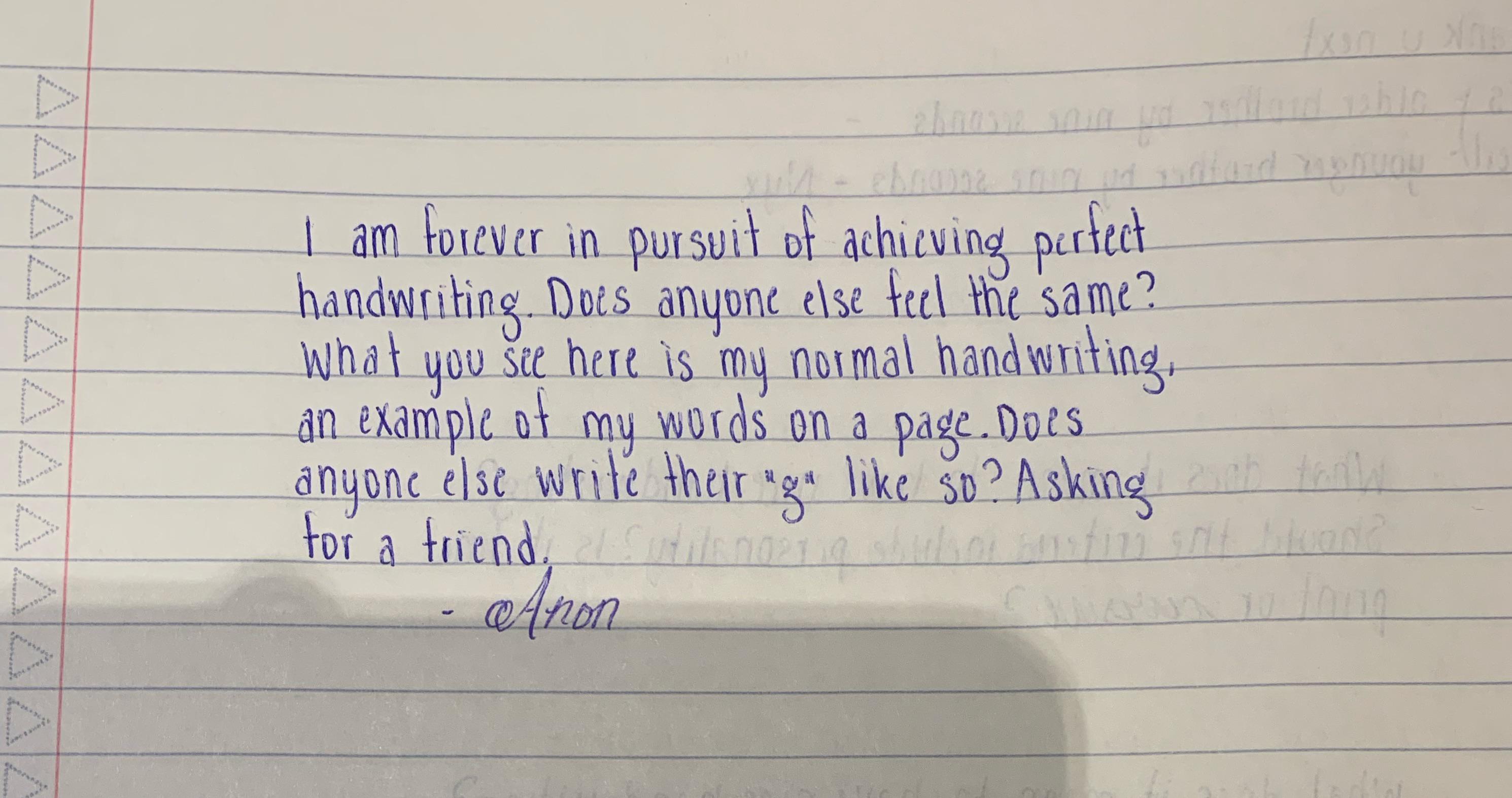
Whilst the example above might not be perfect, it is easily readable and is neat and tidy. If you want to improve and have bad hand writing, it is up to you to make the necessary changes.

Next time you write something (typing not allowed as it autocorrects) consider these errors in your words.

You know the saying, “practice makes perfect.” I also say that “Perfection is attainable!”

GENRES OF LITERATURE & NON-LIT TEXTS MADE EASY…

Types/Genres of Literature 

If you have ever wondered about the differing types of literature then look no further than this diagram, which will be able to show you where your novel or novella that you are currently reading fits into. 

Try making a list of all the books in your GCE or GCE A Level course and see where the balance lies.

English Language Paper 2 – 2023

So now, we get to the end of the Year 11 English exams as you sit this sometimes, very awkward little exam. 

The language paper 2 is undoubtedly harder than its counterpart paper 1, due in part to the fact that there are two sources to analyse instead of one and also because the section B task is a lot harder than it seems, but there is good news to be had in this simple little thing you could do well to remember: whether it is a letter, an article or a speech, the language and tone used is the same. The only place where it might differ is when you add “Yours sincerely” after the main body of a letter. 

So, to the 2023 exam we go, for June 12th, 2023. 

The inserts were those that described the use of trains from a 19th and 20th century extract by Peter Fleming and Fanny Kemble respectively. At least one Twitter user added that she had to giggle when she saw the second name, but we will not go there today. Sometimes, that happens. 

Then, the section B task was a speech, arguing whether or not we should use more public transport (trams, trains and buses etc) instead of cars. 

Now the question I ask and the statement I am about to make may sound one and the same. Was this a down the middle of the road insert choice for a sixteen year old (most are by now) taking their final English exam?

You would think so, wouldn’t you? 

But how many of us are campaigners for the use of fewer cars and increased revenue making it possible to even use trams and buses at sixteen or below? How many of the boys will have looked at these two inserts, being mad on TV programmes like Top Gear and the likes and immediately switched off to the tone of the theme of the exam? One of my students, for example, may have read half way through the first insert and intuitively felt anger at what he was being forced to read and analyse and that is before he has even got to the 40 mark task in section B. 

His dream is to work for McLaren in Sheffield!

So, how did we approach this paper? How do you, if you are Year 10 when this paper was taken (or Y9 in a year’s time) undertake something that means writing about something you either know nothing about, or have very little interest in? 

The first question is a “shade 4 things in” answer, which are a proven fact and even if they inverted it one year to catch you out, by asking you to shade in the areas that are false, the idea is still the same, to get nervous little you going into the examination. Then you have question 2 and the summary, followed by the rest, which are easy enough if you have read both inserts closely. 

Then we get to section B and the singular task of writing a speech, to an audience presumably like the G7 or the G20, whereby you argue one side or the other for greater use of public transport. But when you planned it – please say you planned it – did it follow a logical order or not? In the end, if this subject of air pollution, conservation, easing the burden on the roads and all other things surrounding them, does not get you going, or fire your rockets for you, then there is every chance that you might struggle with this last task of your High School English life. 

Now I have not seen the exact wording of the exam yet, but am told by several who took it that the task was to write a speech arguing for greater use of public transport to ease the burden on the roads and infrastructure that already exists.

What would you add into this? What tone would you use? Would you start with a rhetorical question? You are writing to argue, so laying down the guilt trip on your hearer – do not forget it is a speech and speeches are meant to be heard – is vital for success to happen. So you have to do one thing before you begin to write and after you have planned the thing onto the first half a page and that is imagine. 

Yes, imagine! 

If you are the sort with little imagination, then this will be difficult. If you are a free writer, one who loves to write stories, poems, plays or whatever else there might be, then this will be easier for you. Let’s say that the speech is to the Year 11 about such things, to persuade your peers to persuade their fathers, mothers and carers to do the same. If this is the case, then right now, close your eyes and imagine you are up on that stage or wherever the Head stands when delivering an assembly and you are looking out at your year group. Imagine those faces, some of whom you know and then think about the tone you will use on them.

Forceful? Controlled? Argumentative? Calm? The answer to that will depend on the stance you take in the examination task and the language you use in your speech. If you vehemently disagree with the idea of less cars and cheaper trains and trams, more of which would be allowed to carry you around your town or city for a lot less than a car would, then the tone would be forceful and strong, not quite shouting out things, but definitely getting argumentative and persuasive with your thoughts. 

Your words would follow suit. 

If this sort of thing makes the active campaigner (like Greta Thunberg) in you come out to play, then you are at an advantage to the student who simply has never thought of such things or cares nothing for the argument, then the chances of your answer being worthy of a level 9 might be slim. 

To me, this task suits the higher achieving and not the middle or the low, so I now point to Mr. Sunak and his government, to ask them to think about things like this before they set another exam and switch off so many male students who will no doubt see nothing in today’s examination and not have done very well in section B. 

This is because the problem with messing up section B is that you could score a 7 for the paper 1 on the whole and then a 5 in this one, due to the messed up section B. If that happens then your Language grade becomes an averaged 6, when a more carefully prepared insert and bunch of tasks might have meant said child got the 7 he was after. Or higher!

If it was me, then my plan would mention things like: 

  • Trams are our past and our future of transportation
  • The history of the tram and the train – from inserts 1 and 2 cribbed, add data made up if needed
  • Train fares are too high and need to be drastically reduced as it costs more than going somewhere by car by a long way
  • Subsidising public transport is vital for easing congestion – how many Y11 know what that means? I am officially curious. 
  • Make it £1 a day to travel anywhere in your town
  • Imagine being able to go to work and back for just £1. Like in Berlin. Their system is so much better than ours.  
  • Perhaps even, as we reduce costs for public transport, we could increase road tax, fuel duties, insurance premiums and the likes for cars, to reduce them in numbers
  • We could also eradicate all cars over 10 years old – cannot afford it? You don’t get it and you use the trams instead – that would be very controversial to say the least!

Now we begin to see a well discussed, but instantly one sided speech that you then have to make personal. So you ask rhetorical questions like what car does your parent drive? You ask for answers and get words like Mercedes, BMW, Lexus, Rolls Royce (only kidding but it could happen) and the likes and you then write down, word for word, what you would say and how you would say it, using brackets for emphasis, or bold type if computing, like above, for added emphasis. 

But there is a group of personal words that need to be repeated and they are words like you, your, our and ours. You have to make it personal and make it so that your argument is shared very very clearly to your audience because the one thing this kind of writing needs to be is direct! There can be no doubts with these words you will deliver. 

So a lot of imagination, making it up where you need to, has to happen. It can come easy if you practice beforehand. I know because since 1989, I have been a preacher, a man who stands up each weekend and delivers a speech, a sermon if you will, to a group of people, telling them about a bible story, but asking them to consider it for themselves in how they can change and become a better person in this life. 

This kind of writing this section B is asking you to create is no different. When I write a new speech/sermon, I close my eyes, imagine my audience and then begin, as I would if I were talking to them normally. It is surprising how the words come so easily after that point, because I am allowing myself to become free in my thinking and this is what you need to do. 

So, with the plan in place and your first rhetorical question asked, what comes next? I would suggest the answer to that is a repeated use of something called syntactic parallelisms. These are words and phrases that are repeated at the beginning or middle of paragraphs, to make and continue a point you are making. 

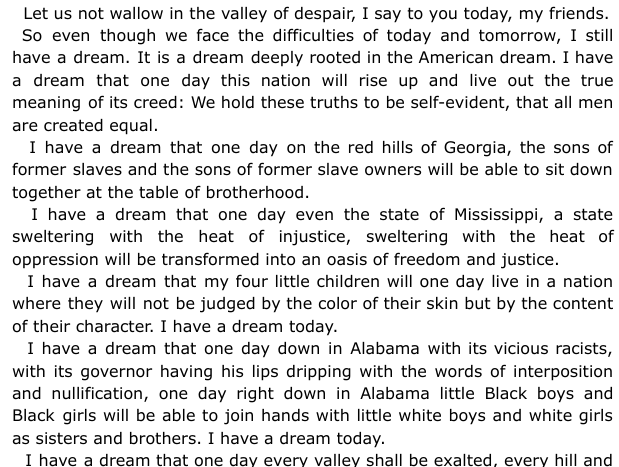
See the rather famous example below: 

When you look at this text above, you can see the repeated use of “I have a dream” in his words. But note where they are placed. They appear at the beginning, to ram home his point. Did your speech do that today? Did you use any of these? 

I have a simple ploy in asking my students to consider using things like these in threes. So if your phrase you dream up is “Trams are our past and future,” then use it three times in three paragraphs, before choosing another. We will let the great Martin Luther King Jr off with his eight or nine times in his now famous speech. After all, his was a subject far greater than today’s exam paper section B, after all. 

But note the next example too, from the end of the same speech. 

Notice his usage of “let freedom ring” in these final words to end his speech. Notice how he uses them and practice using similar. Think up some scenarios; climate change, pollution, school uniform abolition, better nutrition for kids, get rid of school dinners, let all students have free school meals …. there are so many to choose from and then, practice this use of syntactic parallelisms to this effect above. 

When you get this skill mastered and master the use of your imagination, all shall be very well indeed. 

Happy hunting. 

RJ

Some Thoughts on Language Paper 1 (2023)

With both Literature papers successfully achieved in late May and most students who took them praising the likes of AQA and Edexcel, the students would not be expecting something that could be described as coming out of “left field” in terms of the exam insert or the questions on the paper, but in the end, there always seems to be a howitzer of a task in each year’s exams and I personally think the first language papers did this in 2023 when it used The Life Of Pi as an insert. 

Although I’ve not seen the actual questions, the students I teach online now, due to my own disability, tell me that it was the section where the hyena is on the boat, which becomes a bit of an issue if you have never heard of, read or seen the text or film. In that book, each animal he sees represents one person in his life, or another, like his mother. Therefore, the heavy use of metaphor by the writer has to be mentioned. 

“Whoa! Wait! Metaphor?” I hear you shouting at the screen. Yes. If you didn’t get that bit in you’ve missed some points because the hyena represents someone in his life when he is abandoned on the ocean.

The Questions…

So the first question would be using lines 1-5 or so, to choose 4 things that are provable fact in those lines. That’s easy enough. Then there’s the second and third questions that ask you to write about Language and then, how the writer structures the writing; word level, sentence level, text level, as shared elsewhere on this site. 

Then comes the tricky 4th question, which we can spend some time on later, but with Section A now over, from what I’m told, you would no doubt have felt comfortable, if you mentioned the writer’s use of metaphor and symbolism. What did the hyena represent in the text, why and to what effect? 

So far, so good!

Then you get this in Section B. 

When I saw it on Twitter on the day, I nearly cried. A typical picture of a beach, or a jungle setting, would have been fine. A picture of a bus on a journey, or a pack of lions, would have sufficed, given that the first section insert was about an animal. Both sections are usually linked somehow, after all. 

But this might as well have been a Where’s Wally poster! Oh wait. It was a Where’s Wally poster! 

How utterly patronising of AQA. 

The style of the picture is the thing that alarms me. A previous exam had a scene of people walking by, like at a beach. A previous one before that had the three ladies on a bus (the Rosabel story) and then this? Were AQA really trying to patronise these fifteen year old students? 

If so, it damn well worked! 

The point I’m making is simple. Whatever source they give you has to be down the middle of the road. The level 9 students should be able to run with it and fly high. The level 2 and 3 students should be able to look at the picture and get loads of ideas from it to write about and hopefully they’ll get the elusive level 4 at least. 

Now this picture is a travesty to see in such an examination. I saw it and the now well known acronym of WTF came out of my mouth. What, I thought, are the students supposed to write about that? A description of a zoo? What if someone has never been? What if your student, possibly the higher achievers, are animal rights active? Firstly it might offend and lastly, it would be aimed far too low on the student scale of This Is Average. 

Firstly the choice is a description of a place based on this picture. Did you do the zoo? Did you have a go and think what on earth do I write? Or did you get an ingenious idea and run with it? If you did the latter, my betting is that you’re a level 6 or above so there’ll be no worries re the final grades. But some would see that pic and be forced into the story narrative arc, which asked for a time when an animal meets a human being. 

My thoughts are simple here. 

I think that the DFE and above them, the national government, dealt a bitter blow to a good chunk of the students taking this exam and the results will dip from last year in August, when the DFE will then say that the grade boundaries are being changed to say what an A or a B (8 and 9) actually are. This could impact the futures of our children so such senseless and constant changes need to stop at government level. 

Did you, if you did the story, write about a pet coming into your house? Did you find metaphors in the section A insert and then use them in your Section B? Were you that creative?

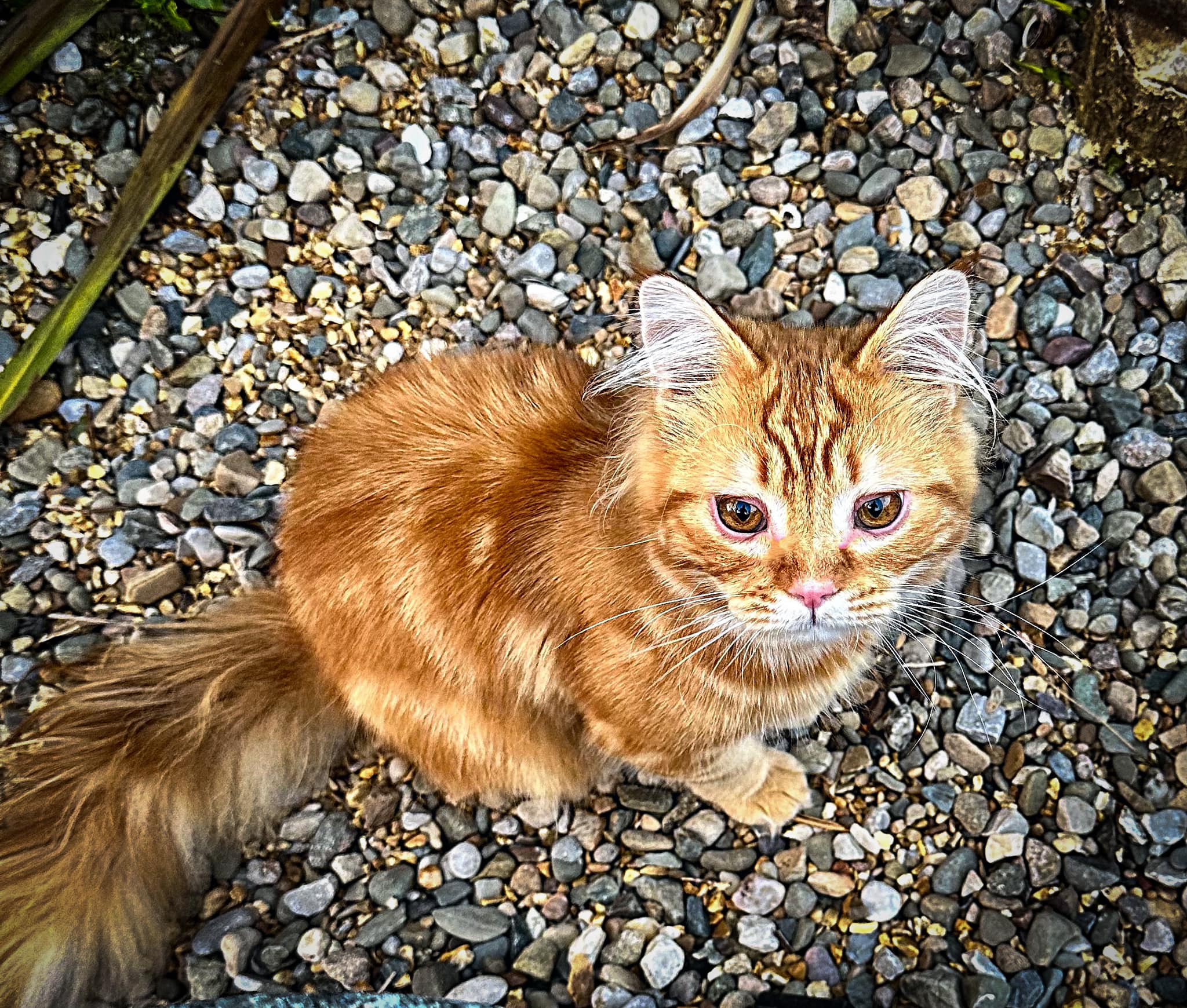
It had to be to get the higher grades. If it was me, and this exam will no doubt be the mock exam you take next year by the way, if you are Y10 now, then I’d expect the animal (cat) coming into the home (yours) for the first time. But I’d expect some “colour” into it, like a friend did when he first met his cat. 

Notice “how” he has done this….third person narrative…..man meets cat, or on this case, man falls for moggie. (for those not Northern British, a moggie is a slang term for a cat). 

The Beginning.

It was a cold morning when he set off, late autumn and the sun was just starting to break the night but the sky was a dirty grey colour full of rain yet to fall. 

  He had an errand to run but was tired from previous work, he just wanted to get it done and get home to rest.

  He climbed in the van, rubbing his hands together to try and keep them warm before turning the key and heading off. As he pulled away from the kerb the rain came, slowly at first then in torrents. He went on hoping the engine would warm soon so he could get some heat in the cab and warm his bones. Music on the radio at least to keep him company.

  Thirty miles later he had made his destination and climbed from his van with the drop off he had, a small dog called Freddie to be shipped to his son in Sweden. As he turned he saw cats of all different sizes scatter, feral strays he thought. He approached the building and there was two dishes on the floor with only the remnants of rainwater in them. They come to get fed probably from the workers here but make haste when strangers approached.

  Then he saw it, under the bench by the door in with the cigarette stubs discarded by the workforce. Bedraggled and wet, a ginger kitten hadn’t run with the rest but tried to make itself even smaller than it was already, it just looked at him, eyes sore and only partially open, covered in sores and red from inflammation.

  “Hey! What are you doing still here” he said as the kitten tried to back further into the wall behind it. 

  He stood up to deliver the dog for its onward journey to be with its loving owners. Paperwork done, all the I’s dotted and the T’s crossed and he could be on his way.

  He walked out to his van and reached for the door handle. He just stood there holding it, he gave out a deep sigh and his shoulders dropped. He knew he wasn’t going just yet.

  He turned and walked back, the kitten was still there, every opportunity to run but it stayed and just looked up at him in its pitiful state. 

  “So how come you stayed little one?” He sighed once more and headed back into the building to ask the question, 

  “Can I take it home?” 

  “If you can catch it then yes but they run off as soon as you get too close” he was told.

  He went back out, still there, still looking up, time to see if it would run or not as he reached under the bench. It didn’t, in fact it didn’t do much of anything apart from sit in his hand, small enough to fit in just one, cold, wet, bedraggled and unwell, it simply had no fight left in it.

  On the journey home it sat in a crate given to him by the freight company, he kept the van warm and it just curled up asleep.  

  Probably the warmest it’s been since birth. He wondered what will happen next but no matter what he knew it was better than what it was going to face. A bitter winter was forecast for the whole country this year, a few more weeks we would be in the midst of it and it would never have survived.

  “You’re going to meet some new people and new friends” he told it as he drove home, “we have two other cats who are probably going to ignore you for a while but you will be as thick as thieves with one when he gets to know you, we do though have two dogs, one will not have any concern for you, the other though? Well that’s another matter but she’ll settle down in time” 

  The kitten shifted but continued to sleep on the journey home.

  Home, yeah he thought, home, that’s where you are headed now, something you’ve never had, never known, warmth all the time, plenty to eat so no more fighting for scraps in bowls with remnants of rainwater but safe. Yeah, home.

  Six months on and he, the kitten, now called Fizzgig, follows the man everywhere he goes, two steps behind, sleeps on his chest or at his side, many visits to the vets to try and get him right but no matter what’s wrong with him his life will be right.

  “Sometimes I wonder who saved who?” He said as he carries the cat up to bed as he does each night.

  I was asked to relate what happens when you rescue or adopt a pet and bring them home. I chose to do it this way.

(Courtesy: MF Shaw: Facebook)

The point of telling a story is to entertain and Mike’s story does this so well. I’ve left any and all errors in it, because we all make them. The only thing I’ve changed is the beginning of each paragraph, to not miss any lines out, assuming you will be hand writing your exam answer out and I’ve put the speech on its own line. 

Can you do better? If you can do (or did) as well as this you will score highly in the exam. 

Happy hunting. 

RJ

A Tale Of Two Students

Two students from different schools recently did the same task with me recently. One lives in Sheffield, the other elsewhere. 

We discussed a possible English Language Paper 2 example Task and came up with this statement and question to work on as we prepared for the exams. 

School uniforms are too problematic to remain sustainable as a way of ensuring student uniformity. 

Write a speech for your Year 11 Assembly, stressing what you believe should happen in your school regarding changes in the uniform code in future years. 

We then discussed and wrote down ideas about how to do a good section B in Paper 2. 

We agreed on the following:

Planning

Planning is always important. The student who plans is the same student who scores higher grades than the one who doesn’t. It has always been the case and always shall be. If you are hunting for a level 9 then you’re a planner. 

Conversely, a student with the right skill set can think up a plan in 5 steps and write a brilliant level 9 answer without writing the plan down. A level 4 student however, does not have the same skills or confidence and could go wrong if their plan is not at the beginning of the answer so they can get stuck, refer back to their plan and then carry on. 

But the question is what will your plan look like? 

Here’s an example written recently…

We discussed the idea that his answer could be that he believes their school uniform should be abolished. But yours could equally be the same as the second student in another school, in that it serves a purpose but could be amended so that all heavy items of clothing like thick wooden or Serge blazers were gotten rid of and replaced with something that is as smart, but a lot easier to wear. 

Using this plan (above), as this young male student would, his speech would be pointed in its tonal quality. He loathes the uniform, whereas a student who thinks the uniform code needs merely amending is not saying abolition is the right answer. 

The young lad is saying that his first paragraph would be a rhetorical question asking “do you believe that comfort allows people to thrive and prosper?” It’s a perfectly good question too. What does it matter what we wear in class so long as good quality teachers educate with information relevant to the subject and prepare students for their exams at the end of Year 11?

But then, he plans to write a paragraph on the idea that we need to make life easier in school for all students because he believes that “children are the future.” 

Now where have you heard that before? 

As soon as he said it and wrote it down, I had Whitney Houston’s song in my head. 

But the thing is, he had no idea who Whitney was! It was an idea that just came out of his mouth, so we discussed his thoughts and it revolved around the idea that if children are our future, if they are given freedoms to feel and be relaxed, then we will see better results in terms of examination results. 

His speech would therefore have a forceful, tonal quality, being brusque by nature and utterly persuasive to the point of heightened tension and possible anger, if delivered right to the assembly, whereas the other student who believes alterations are the way forward, would be less forceful in tone and words but as equally persuasive as the other. 

The arguments on this young man’s plan are that if you are relaxed, as uniforms don’t do that for him, then you can enjoy school, thrive in a less stringent classroom environment and be a better student because to him, uniforms are like shackles that restrain students from being themselves and expressing their ultimate, truest freedoms. 

Now he attends a school that has recently become an Academy. For those not in the know, when a normal, state aided school like a Community College changes to an Academy, more funding is suddenly available, businesses bring in new buildings, equipment and staff and with those comes new rules. With new rules comes a usually harsh uniform dress code, which both students call Draconian. 

These restrictions tie the children down. There have been multiple stories in the press recently about boys and girls being sent home because they are not wearing the agreed shirt or trousers, preferring a blouse to a straight shirt, or a fitted shirt to feel good in. They get sent home and Mum and Dad go to the press. And rightly so, in my humble opinion. 

I’ve been a teacher for 26 years and the amount of times I’ve had to enforce a rule I completely disagree with is immense. For too many years I’ve had to chase short ties, trainers instead of shoes, even removing my own son’s trainers when he fell foul of the school laws, which is why I agree with his statement that each non uniform day is a major release of pent up annoyance. 

This lad’s plan is a good one and would possibly bring a high mark if written well. He is expected to get a 6 so we are now hoping for a 7. 

No pressure, R. 

But so is the young lady’s plan to show how heavier items like thick blazers need to be consigned to the rubbish tip of High School life in favour of something they could actually feel beautiful in and that was not designed with a burly rugger playing yob in mind. 

Now, at the end, three things come to mind that need to be written down before you begin, whether it is section B of English Language Paper 1 or Paper 2 and that is AUDIENCE, FORM & PURPOSE. If you check out the plan again you’ll see it there. It’s important to remember. 

But there is one important thing that I want to get in your head for these exams and it is this. Your section B choice, whichever one you undertake, is worth 40 marks each time and the whole exam is 80 marks so one foul up and your chance of your predicted grade has gone! So, you have to plan your answer and you need to figure out who the audience are, what form it will take (letter, speech, article) and write it accordingly. 

If it’s a letter then layout is important and is being marked. 

Top right = your address

2 lines below = date under your address

Left side of paper…

2 lines below that….name and address of person sending to…make them up!!!!

2 lines down again…

Start your letter under the comma after Dear (whoever), and then use that line at the left of the page. 

Indent each new paragraph. 

Never miss lines out like when typing….it will lose you marks! 

Yours sincerely/faithfully

6 line gap (signature)

Your name in capital letters 

But take note, that the words you will use in a letter will be the same as if it is an article, or a speech. Think about this for a second and consider this. Will the tone and language change across the three different formats? I think not! 

Then think of your purpose; persuade, inform, advise. The exam paper will specify!

Then do it well.

But above all, be brave, be bold and write strongly. 

Happy hunting

RJ

Lit Paper 2 – Edexcel

Lit Paper 2 – Unseen Poetry (Edexcel)

So, you are preparing for the final literature paper and AQA have decided to settle for two poems, one by a very well known poet and the other by a lesser known one, which is typical. The first has a question, based on a certain thing and the last one in the exam is a compare and contrast to the first. That is typical and you have completed all the other texts in the Lit component and now, you have to do this task which to most students, seems daunting. 

I have to ask why this is the case. I really do, for they are nothing but words on a page. 

To show you what I mean, have a look at this below. 

Warning
Jenny Joseph

When I am an old woman I shall wear purple
With a red hat which doesn’t go, and doesn’t suit me.
And I shall spend my pension on brandy and summer gloves
And satin sandals, and say we’ve no money for butter.
I shall sit down on the pavement when I’m tired
And gobble up samples in shops and press alarm bells
And run my stick along the public railings
And make up for the sobriety of my youth.
I shall go out in my slippers in the rain
And pick flowers in other people’s gardens
And learn to spit.

You can wear terrible shirts and grow more fat
And eat three pounds of sausages at a go
Or only bread and pickle for a week
And hoard pens and pencils and beermats and things in boxes.

But now we must have clothes that keep us dry
And pay our rent and not swear in the street
And set a good example for the children.
We must have friends to dinner and read the papers.

But maybe I ought to practise a little now?
So people who know me are not too shocked and surprised
When suddenly I am old, and start to wear purple.

Pushing Forty
Alison Fell

Just before winter
we see the trees show
their true colours:
the mad yellow of chestnuts
two maples like blood sisters
the orange beech
braver than lipstick

Pushing forty, we vow
that when the time comes
rather than wither
ladylike and white
we will henna our hair
like Colette, we too
will be gold and red
and go out
in a last wild blaze

At the end of the day, when you stop seeing such as these as a poem, what you see is a bit of writing that shares some ideas about getting older in life. At 62 nearly, I can see how this might appear daunting for the modern fifteen year old man or woman, but as a student, you need to see the words for what they are, mere words with meaning. 

Poetry tends to turn students right off for some reason and even though I am a multi published writer and poet, I fail to see why poetry is elevated into such a position as it is. 

Try this for me and see what I mean. 

Read this text, out loud…

When I am an old woman I shall wear purple, with a red hat which doesn’t go and doesn’t suit me. And I shall spend my pension on brandy and summer gloves and satin sandals, and say we’ve no money for butter. I shall sit down on the pavement when I’m tired and gobble up samples in shops and press alarm bells and run my stick along the public railings and make up for the sobriety of my youth.
  I shall go out in my slippers in the rain and pick flowers in other people’s gardens and learn to spit. You can wear terrible shirts and grow more fat and eat three pounds of sausages at a go, or only bread and pickle for a week and hoard pens and pencils and beer mats and things in boxes.
  But now we must have clothes that keep us dry and pay our rent and not swear in the street and set a good example for the children. We must have friends to dinner and read the papers. But maybe I ought to practice a little now? So people who know me are not too shocked and surprised when suddenly I am old, and start to wear purple.

Likewise, try reading this out loud now…

Just before winter we see the trees show their true colours: the mad yellow of chestnuts, two maples like blood sisters, the orange beech, braver than lipstick. Pushing forty, we vow that when the time comes rather than wither, ladylike and white, we will henna our hair like Colette. We too will be gold and red and go out in a last wild blaze.

Nothing has been changed!

In the end, both of these pieces of writing (poems) are simple thoughts written onto a page to make the shape we know to be a poem and that is it, but the examinations ask us to then look at things like meanings and intent of writer and stylistic techniques. 

Yawn! 

So, what does each one actually mean? What things would you expect to see in the exam answer? Well, the question was based on the idea of how ‘Warning’ presents ideas of growing old.

As a GCSE marker, I would expect the following…  


Lit Paper – June 2023

If there was ever anything that a fifteen or sixteen year old should never have to sit an exam in, it is English Literature!

Back in the previous generations that have taken the Literature side of the course, it has always been a coursework assessment. So if you studied Macbeth, as I’m sure you are doing now, then there was a coursework question set. When I did mine, that is how it was, in 1992. 

If you read An Inspector Calls back then, there was a second one and so on, including a set question to compare and contrast two very random poems. Your teacher would teach you how to analyse poetry, using his or her preferred method (see Unlocking A Poem on this site) and then you’d be hit by two unseen poems. You would undertake a timed coursework in class and so on. 

There was none of this ‘4 exams in English’ but you see, this and previous governments have never trusted either you, or your teachers, who work incredibly hard to get you to the highest grade possible for you. I am proud of the success I’ve had, especially since 2014, where no one has scored below a C grade or a Level 4 at GCSE and A Level English Language and Literature. Everyone has ‘passed.’ Nothing below that! 

So when students do well, the government say to themselves (and they’ve not set foot in a classroom in thirty years) that the teachers are cheating, or the exams are getting too easy, or we must increase the grade boundaries (expect that in August 2023) and they make it incredibly hard for you to hit an 8 or a 9, especially in a 2 hour 15 exam (and that’s assuming that you have no learning disabilities. Then you’d add 25% extra time). 

I’ll let you do the ‘Math’ on that one, as the Americans say. 

But now, you are required to work your butt off and then sit four exams, with the second one being in English Literature and covering the following texts, assuming your teacher chooses the JB Priestley one.

An Inspector Calls

Power & Conflict Poems x 16

2 Unseen Poems

It has, in the past, affected the mental health of our children, including mine. I remember them both taking it and hating it and you know the one thing that results from this? They both now loathe reading. It just goes to show that we are killing the desire to read for fun in our classrooms and it has to stop!

So with that in mind, until this government comes to its senses, how would you tackle this exam? Below is a rough representation of each question set in June 2023. They may not be exact because I’ve not seen the present paper as a “past paper” yet. But roughly, these were the questions. 

I shall now go through each one, to share a few ideas of the things I would expect my students to mention. They will be bullet pointed ideas. 

An Inspector Calls

“How does Priestley present life for women in an Inspector Calls?”

How are women presented in the play?

  • Eva/Daisy, working class
  • Poverty
  • Working classes
  • Upper classes looking down on her
  • The way a man of means uses her for his pleasure because he feels he can
  • The way no one really cares about her
  • Her ultimate demise
  • Compare her to Sheila and Sybil and how they treated her when they met her and the societal expectations of them both when compared to Eva
  • Summarise the way that Priestley believes that society needs to change
  • Social responsibility
  • Socialist ideologies

I’d expect all of those and possibly some more based on the student’s take on the play and the task. There are other things you can mention, like how Eva wants to better herself, itself a sign of Capitalism at work (the American audience would call that the American Dream)

How does Priestley present the differences between older and younger generations’ in their responses to the Inspector?”

  • In modern day thinking, we call the different generations by letters now, like Gen X
  • So you need to mention the women/history of the period
  • The role of women in this period of 1912 has to be mentioned
  • Young women then
  • Older women then
  • Upper class ladies then
  • Working class ladies then
  • Then compare to how the Inspector treats each of the ladies in the play
  • What differences occur, if any? 
  • Why does he treat them that way? Respect etc. 
  • And why does each person respond in their different way? 
  • Sybil
  • Sheila

Maybe as well, you could add things like the history of the Suffrage movement, the rights of women at the time, the way Eva is an antagonist working for better working rights. There’s all sorts of things a young reader could add in. 

Don’t forget, I am nearly 62, so have seen a lot more in life so know about these things so if your teacher hasn’t taught you the historical aspect to this text, then shame on them!

This is where I add in a disclaimer for you. If you took the 2023 exam and are looking at this and thinking Jeez but I didn’t get half of that into my answer, then do not worry. I’m sure you will do well. 

Then we get to this bit of the exam…

Power & Conflict Poems

In the 2023 exam, the question was based on your reading of the poem, My Last Duchess, focussing on how power is presented. You were then asked to compare one other poem of the sixteen to it.

The first thing is to choose the right poem to compare it to. Students across Twitter shared after the exam how they compared it to certain poems, all laced with elements of power. Exposure. Charge of the Light Brigade. Ozymandias. Plus others. The thing to remember is that any and all of those poems are linked to each other through the twin themes of power and conflict, both of which can be seen in many different ways. 

Conflict does not have to be warfare based. It can be a conflict of interests, a conflict in a relationship, a conflict with life and death. It can be linked into the My Last Duchess poem. 

So do not worry. You will have done well. 

The thing with poems is that students hate them in general, as with any form of literature. I’m not sure why they loathe or fear them. They are, after all, just words on a page.

The only text I’ve taught in the last 26 years that students have adored is Harper Lee’s To Kill A Mockingbird! So the thing to do is follow a plan when writing about a poem. 

  1. Content – what is the poem about? 
  2. Themes – love, peace, hate, nature, etc
  3. Words and Phrases – how does the poet successfully use stylistic devices? (best to stick to 5 if not sure – rhyme, rhythm, simile, metaphor and alliteration)
  4. Key Ideas – what are the ideas the poet is trying to share with the reader/header (poems are meant to be performed)? Is s/he asking us to change? Etc.
  5. Your thoughts on the poem – this is where you get the chance to be praiseworthy or nastily critical. Be prepared to slam it if you hate the thing. But say why. You loathe love poems etc. You prefer other styles of poetry, like funny ones. Give examples. 

Which is better for that last one? I think that this is a good poem because….or This is a good poem because…..?

The answer is the latter, to be sure, because it sounds more like a Y11 essay, not like a basic Y7 first effort. This is what we are expecting, after all. 

Then, we get to the final section, but take note. The first poem is worth 24 marks (25 minutes to write) and the final one only 8 marks, (so only ten minutes max). 

In the June 2023 exam, it was these two poems below:

Unseen Poetry

Scaffolding

Masons, when they start upon a building,

Are careful to test out the scaffolding;

Make sure that planks won’t slip at busy points,

Secure all ladders, tighten bolted joints.

And yet all this comes down when the job’s done

Showing off walls of sure and solid stone.

So if, my dear, there sometimes seem to be

Old bridges breaking between you and me

Never fear. We may let the scaffolds fall

Confident that we have built our wall.

Yours

I am yours as the summer air at evening is

Possessed by the scent of linden blossoms,

As the snowcap gleams with light

Lent it by the brimming moon.

Without you I’d be an unleafed tree

Blasted in a bleakness with no Spring.

Your love is the weather of my being.

What is an island without the sea?

****

I am purposely not going to analyse them here, because that would be wrong. But students who sat the exam came out and hit their Twitter buttons and said things like “I love who wrote this paper.” They were thankful for it being easier than expected. 

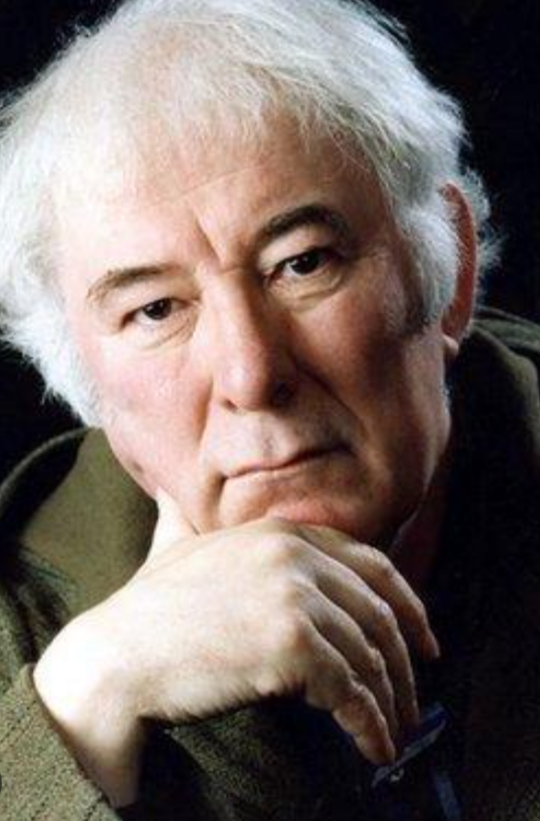
Personally, I’d see the final poem and think okay, not so bad, but the first one, the Heaney one, would confuse the students of lower ability. It’s what I’d call a “ringer” of a poem to use. Normally, the poet they use is not famously known. Little Joe Bloggs wrote a poem and we like it so here it is, etc. But to use Seamus Heaney was a tad cheeky in my humble and honest opinion as an educator. 

So, if you’re reading this after taking the 2023 exam, how do you think you did? 

If you have the exam next year and are in Y10 now, then expect this for your Mock exam. That is what teachers usually do. 

But above all, try not to take it too seriously, because the last thing a member of my profession wants is for you to begin or continue to hate reading. 

Readers become Leaders, after all.

RJ

Lit Paper 1 – June 2023

What a lovely brace of questions that came up in the exam this morning for my tutees, assuming that you did Macbeth and A Christmas Carol.

If you did then this might help you. 

Macbeth

How does Shakespeare describe Macbeth as a male character that changes?

The scene was where Macbeth finds out that the English Army are marching towards Dunsinane. 

As a tutor and semi retired (through disability) teacher of English who has taught GCSE for 20 years, covering everything from KS2 Y5 English, through the SATS at Y9, to Degree Level English tasks and exams, when I saw this on Twitter today, I rejoiced. 

My students were taught specifically to take a task where there is a section of text to analyse, to do it in a certain way. First, you analyse the given text. Then you start at the beginning of the story and work your way through the text, adding quotes in to prove your points, right through to the end. 

With points and evidence given, you then have to explain (using those lovely PEE chains) but a lot of students stop there. They make a point. They back it up with evidence.. They explain it…just the once. 

That is where the marks go down because the examiner and marker are expecting a development of your critical thinking to get you up in the higher grades. 

If a student is taught to use a PEED chain, then it becomes a point, then evidence, then explanation and then, two more things it could mean. 

How to do this will be covered in the next section. 

A Christmas Carol (Dickens)

How does Dickens describe the effect of greed?

The Christmas Carol extract was when Belle breaks off the engagement with Scrooge. 

Again, what a wonderful text to choose. Bravo to whoever chose that one as it is the one scene in the entire thing that really shows the extent of what happens when greed overrules life and love and nothing bust nastiness, in the character and epitome of Scrooge, results in someone that is cold and brutal to all that he meets. 

To show you what I mean, think of the text for a moment. You make a point. Scrooge loves money more than Belle. You use the bit where he says he is doing it for her and then you explain, saying how he cannot put her first in his relationship. But to add the extra two to develop your critical thinking, you could think what others in your class might possibly think. 

So 5 things are done. Not 3.

Point, evidence, explain, explain again and then add a final thought in, before you go to your next point. So, Scrooge loves money more than Belle. The text is where he says he’s doing it for her. Your thought is that he cannot put her first. Then, the other two ideas might be that his love for money is meant to make the reader think am I the same? (reader theory) and how this scene is a metaphor for how selfishness can destroy love in all aspects of life, if we let it. 

Suddenly, the depth of your paragraph and answer is so much better, has more depth and if you do this all the way through the essay, it also becomes twice as long as it would be, if you are using the famed and well taught  ‘PEE approach.’

I always tell my students when doing this to imagine me holding three fingers up and smiling, as if to say “make sure you’ve got your three explanations in there.”

I’m not typing this to make you think oh my God. I did it wrong. Entirely the opposite actually, for I am sure your answer will be fine and great how you did it, but for future GCSE students, this could be a way forwards. 

Let’s see what happens in late August, shall we?

But let me leave you with this, to see if any emotions of this went into your Christmas Carol essay earlier.

https://www.youtube.com/watch?v=RbawsayImds&ab_channel=Shaun

RJ